


If this article were to give you motherly advice, I would admonish you to make sure you are eating your vegetables, especially the naturally fermented kind. Fermented vegetables and other fiber-rich foods* are not as integral a part of the American diet as they are in other cultures around the world. Asian cultures especially include fermented foods like kimchi, tempeh, fermented beans, and miso regularly in their diets. Naturally fermented sauerkraut is a staple in German and Eastern European cultures. The prebiotic fiber of fermented vegetables is a rich source of food for the beneficial bacteria they contain.
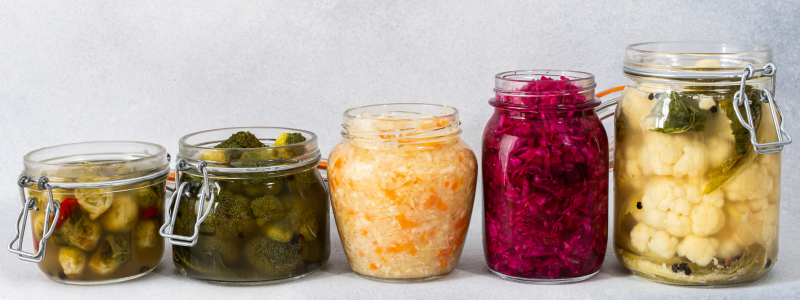
Fermented foods
Americans are eating more fermented foods. While the increase tends to be especially in fermented dairy products such as kefir and yogurt, fermented vegetables are gaining ground.X There are special benefits that come from eating fermented vegetables like sauerkraut, kimchi, certain pickles and others you are more likely to find in a natural food store — fermented beets, carrots, and mixed vegetables (you can ferment any vegetable).
Fermented vegetables add diversity to the gut microbiome and reduce body inflammation. They offer significant, synergistic nutritional value because they have both prebiotic fiber as well as a diverse range of beneficial probiotic bacteria, providing both the bacteria and the food for it to feast on. To receive this benefit, you need to look for vegetables that have, first-of-all, been fermented by natural processes.
Not all fermented foods are created equal
The foods that give your body beneficial probiotics are those fermented using natural processes and containing probiotics…The jars of pickles you can buy off the shelf at the supermarket are sometimes pickled using vinegar and not the natural fermentation process using live organisms, which means they don’t contain probiotics. .X

These naturally fermented vegetables are most often located in the refrigerated sections of your grocery store and are likely to prominently advertise that they contain live probiotic cultures. Heat generally kills the cultures so, for example, shelf-stabilized sauerkraut, made with live cultures, is pasteurized for shelf life and will not contain live probiotic strains.
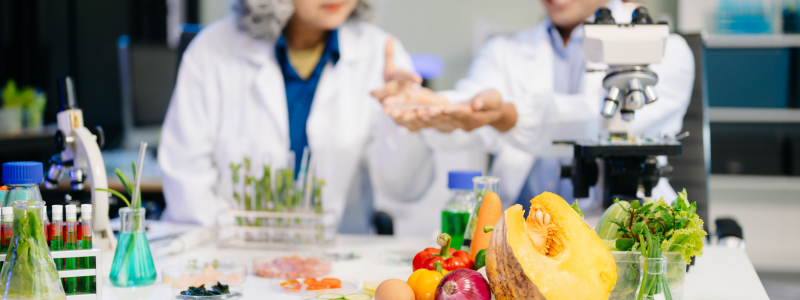
The Value of Prebiotic Dietary Fibers
In 2023 Stanford University published the results of a small study — a proof of concept study conducted over the course of just ten weeks — to gauge the beneficial effects of fermented foods on the microbiome. Study participants were given different diets. One group was given a healthy, high protein, high-fiber diet of nutritious whole foods while the other was given a diet that included fermented dairy products and fermented vegetables.
The results were stunning — so said one of the researchers. The diet which included fermented foods, evaluated within this very short span of time, significantly changed the diversity and nature of the microbiome whereas the healthy high fiber, high protein diet had little impact.
This is good news for future therapies.
The following is a summary of eight health benefits of prebiotic dietary fiber: the authors of this paper mention the findings of the study I highlighted above. Notice that increasing protein in a diet can result in it being turned into sugar without enough beneficial bacteria to come to the feast.
A Stanford study showed that a diet rich in fermented foods had more of a beneficial impact on health than one of increased fiber alone. Increased fiber, even in a diet rich in whole foods, can result in protein turning into sugar if there are not enough beneficial bacteria in the gut to break it down.
Here are some of the other ways prebiotic fiber increases health:
1. Increases in Bifidobacteria and Lactobacilli
2. Production of beneficial metabolites
3. Increases in calcium absorption
4. Decreases in protein fermentation
5. Decreases in pathogenic bacteria populations
6. Decreases in allergy risk
7. Effects on gut barrier permeability
8. Improved immune system defense X
And there is more. From the Stanford Nutrition Studies Research Group: fermentation increases the bioavailability of nutrients like vitamins C, B12 and K and boosts levels of antioxidants such as polyphenols and flavonoids.
Kombucha is a flavored fermented tea. Another benefit is the role it can play in replacing sugary drinks.

Fermented foods are very beneficial for prediabetics and those with type 2 diabetes
Although not considered a treatment for diabetes, research so far recognizes the value of fermented foods for those managing diabetes.
Supplementing with probiotics and prebiotics (plant fibers that feed probiotics) has been shown to reduce inflammation and improve insulin resistance, which could help lower your blood sugar and ease your diabetes management.X
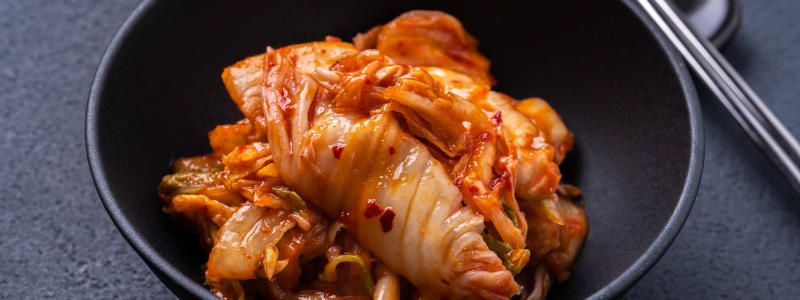
But fermented vegetables don’t taste so good
It seems that the American diet is not an easy fit for fermented vegetables in taste and in gut microbiota composition. The overly sweet, ultra-processed profile of the American diet creates a different gut environment than the pungent and sour/acidic fermented foods. Yet, herein lies the benefit — the bacteria found in fermented foods can actually help rebalance the colon microbiome and help maintain or restore normal blood sugar levels.
Introducing fermented foods into your diet
The sites I visited in my research generally advise to add fermented foods gradually in small amounts to your diet. Eating too much too fast can cause bloating and other discomforts. Your gut needs time to adjust to the growing population of new beneficial bacteria.
Taste-wise, naturally fermented sauerkraut — as a side or added to sandwiches might be an easy beginning option. Miso, a salty fermented soy paste, is another as a seasoning for sauces or salad dressings. Or you can add a side portion of kimchi to your dinner plate. I noticed that kimchi’s pungent taste (I have seen it referred to as tangy — not my experience of it), which I happen to like, even plain by itself, blends well when eaten together with a spoonful of potatoes or tofu. You can find suggestions for other complementary foods;eggs, noodles, and steamed rice are some.
A natural foods restaurant in Madison, Wisconsin has a website with a wide variety of ways to incorporate fermented foods into your diet — in your breakfast, lunch, and dinner and as snacks.X You can find numerous sites with suggestions.
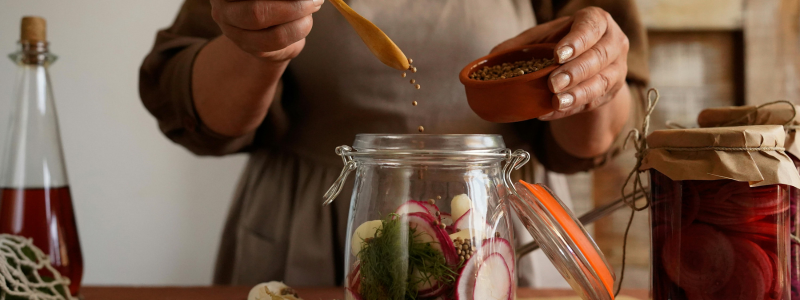
DIY — Make your own fermented vegetables
You can also widen your choices of fermented vegetables by making your own. The Cordon School of Culinary Arts outlines how the process works and tips on how to make your vegetables flavorful. Three methods of fermentation are::X
The dry salting method: Toss the vegetables with salt and allow the salt to draw liquid from the vegetables.
The pre-brining method: Mix a brine by dissolving salt in water and then soaking the vegetables in the brine.
The brining method: Mix a brine of salt and water, then submerge the vegetables within that brine.
The school also offers a four-week online course for perfecting the art.
The health benefits of fermented foods, and in particular, fermented fiber-rich foods are gaining significant attention as an important part of a healthful diet. You get the full benefits of prebiotic fiber and probiotic bacteria when live cultures are present. Start small, stay steady, and make them a regular part of your daily menu.
Remember: Eat your fermented veggies for a healthy, happy life — something mother-energy wishes for everyone.
A healthful lifestyle also includes regular detox.

And do not forget the importance of regular detox in your health regimen. The IonCleanse by AMD is the safest, most effective ionic detox footbath on the market. Click here to see how it rates head and shoulders above any other brand.
*I was not sure about the classification of foods like soy and legumes such as black beans. Both groups are considered a subset of vegetables.
